Mastering Daily Skincare in Pakistan's Climate
Pakistan's combination of high humidity, strong sun exposure, and urban pollution requires a thoughtful daily skincare routine. Heavy, pore-clogging creams often lead to breakouts and oily shine within hours of application. That is why dermatologists and beauty experts consistently recommend gel-based sunscreens and skin brightening moisturizers over thick, cream-based Western formulations that were never designed for South Asian humidity levels.
Why Gel-Based Sunscreen (SPF 50) Is Essential
Traditional cream sunscreens leave a white cast and sticky residue, especially on medium-to-deep skin tones common across Pakistan. In contrast, gel-based sunscreens with SPF 50 PA++++ absorb within seconds, providing broad-spectrum protection against UVA and UVB rays without leaving a greasy sheen. They are non-comedogenic and ideal for oily, acne-prone, or combination skin types that make up the majority of skin concerns reported in hot, humid cities.
UVA rays penetrate year-round, even on cloudy days and while sitting near a window, which is why sunscreen matters just as much in December as it does in June. Reapplication every 3–4 hours during direct sun exposure is what actually determines effectiveness — a single morning application rarely lasts a full day outdoors.
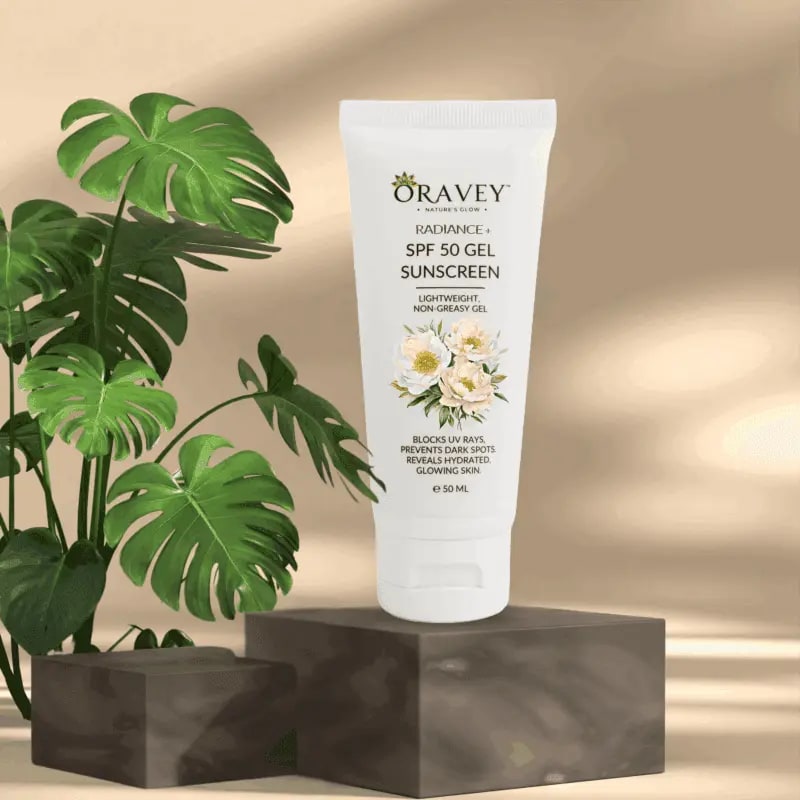
SPF 50 Sunscreen Gel
Benefits of Skin Brightening Moisturizers
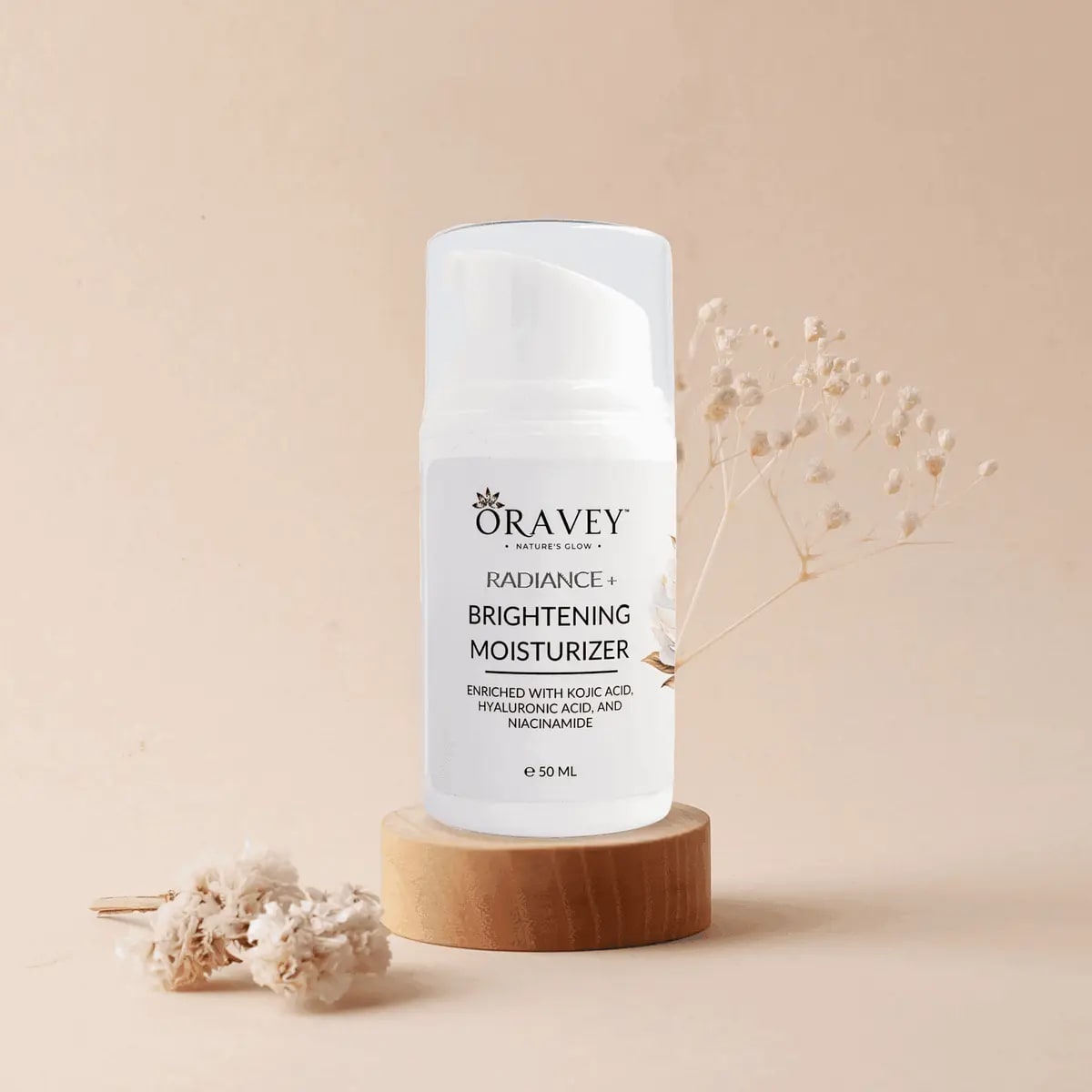
Exposure to UV rays and environmental stress often causes hyperpigmentation, uneven skin tone, and dullness — some of the most commonly searched skin concerns in Pakistan. A quality brightening moisturizer enriched with Niacinamide, Alpha Arbutin, or Vitamin C works to gently reduce dark spots while repairing the skin barrier, rather than physically bleaching or stripping pigment the way harsher whitening creams do.
Niacinamide in particular does double duty: it regulates oil production (helpful in humid weather) while also fading post-acne marks over 6–8 weeks of consistent use. Alpha Arbutin works more specifically on sun-induced dark patches and tends to show visible results a little slower, typically over 8–12 weeks.
Matching Products to Your Skin Type
- Oily/Acne-Prone Skin: Gel-based, oil-free sunscreen with a matte finish; brightening moisturizer with Niacinamide to control shine while treating marks.
- Dry Skin: Gel-cream hybrid sunscreen for slightly more hydration; richer brightening moisturizer layered under, not instead of, a night cream.
- Combination Skin: Lightweight gel sunscreen across the whole face; brightening moisturizer focused on the T-zone and cheeks where unevenness shows most.
- Sensitive Skin: Fragrance-free gel sunscreen; patch-test any new brightening actives for 48 hours before full-face use.
Recommended AM/PM Daily Skincare Routine
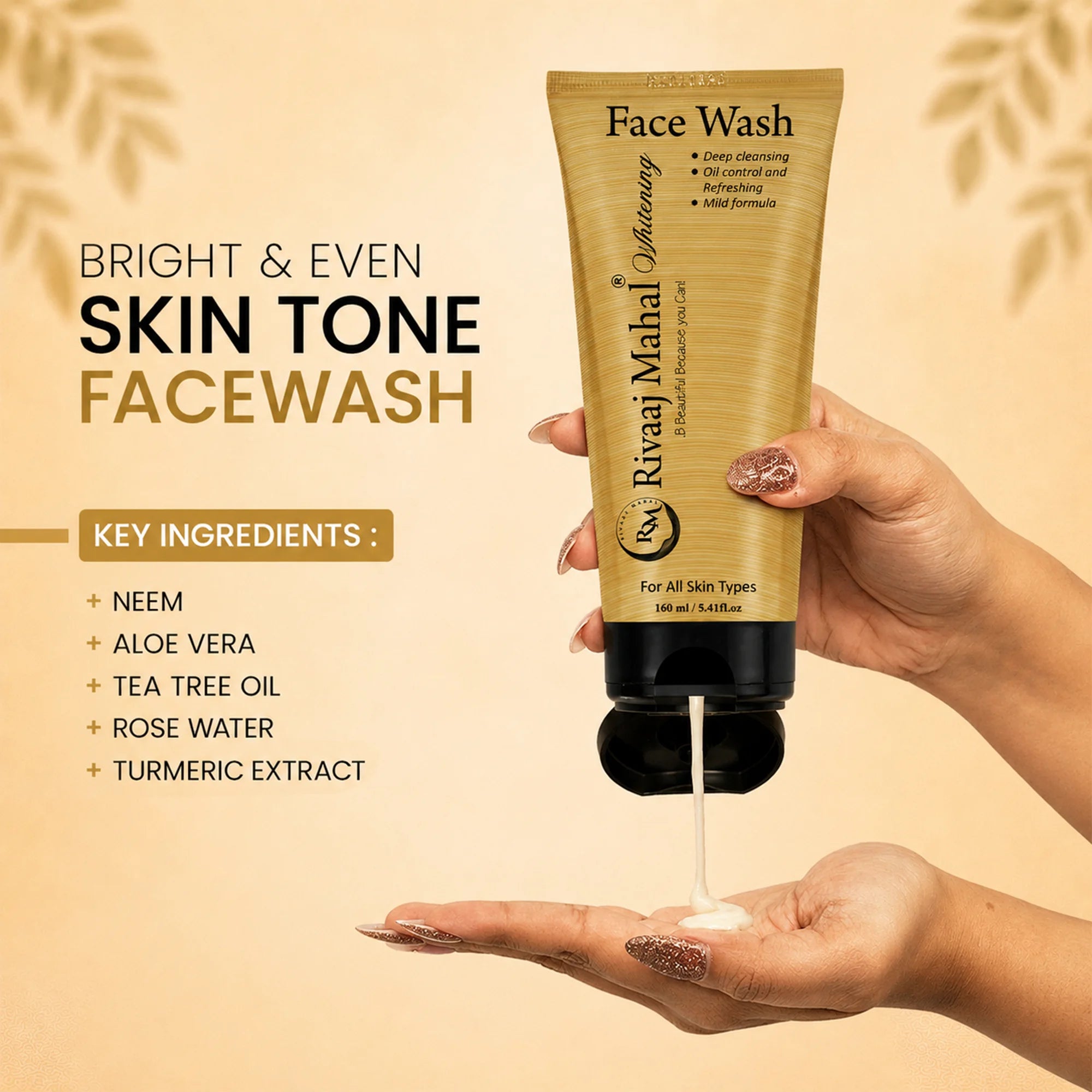
- Step 1 (Cleanse): Wash face with a gentle brightening face wash — avoid harsh sulphate cleansers that strip natural oils and trigger rebound oiliness.
- Step 2 (Treat & Hydrate): Apply a nickel-sized amount of gel-based brightening moisturizer on damp skin to lock in hydration.
- Step 3 (Protect AM): Apply generous two-finger lengths of SPF 50 gel sunscreen 15 minutes before sun exposure, and reapply after 3–4 hours if outdoors.
- Step 4 (PM Only): Skip sunscreen at night; let the brightening moisturizer work overnight without SPF layered on top.
Common Skincare Mistakes to Avoid
Skipping sunscreen on cloudy or rainy days is one of the biggest reasons brightening treatments stall — up to 80% of UV rays still reach skin through cloud cover. Another common mistake is applying too little sunscreen; most people use only a quarter of the amount needed for full SPF protection. Layering too many active ingredients (Vitamin C, Niacinamide, and exfoliating acids all at once) can also irritate skin rather than brighten it faster.
Frequently Asked Questions
Can I use brightening moisturizer and sunscreen together every day? Yes — in fact this combination works better together than either product alone, since sunscreen prevents new pigmentation while the moisturizer fades existing marks.
Is SPF 50 necessary in winter in Pakistan? Yes. UV index remains significant through winter in most Pakistani cities, and skipping sunscreen seasonally is one of the top reasons brightening results plateau.
How long until brightening moisturizers show visible results? Most users notice a difference in tone and texture within 4–6 weeks of consistent twice-daily use, with more significant fading of dark spots by 8–12 weeks.